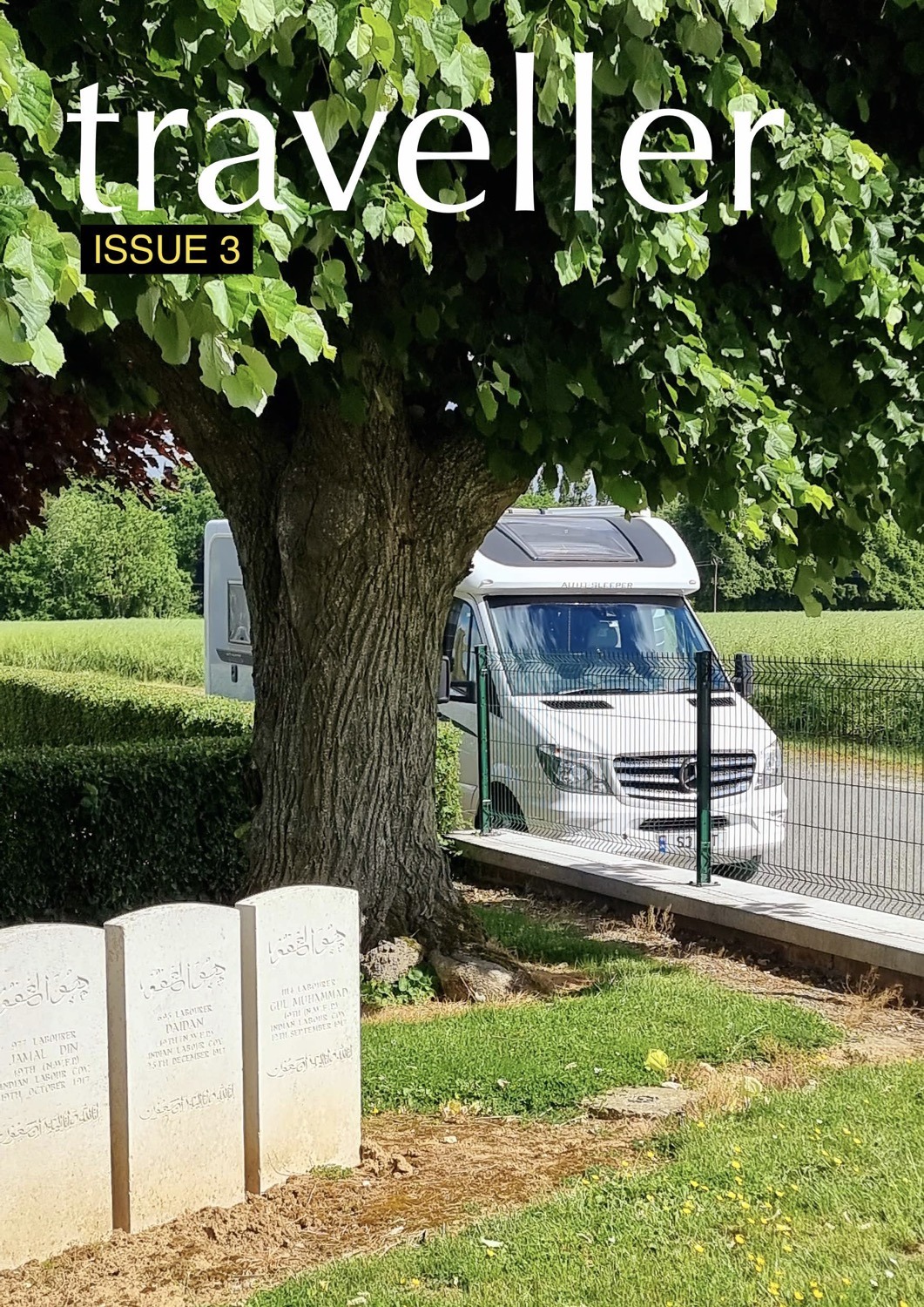
Cemetiere militaire Francais de Barly – west of Arras [photo: Christopher Magowan]
In this issue
- We finally made it
- The Somme: A moving experience
- Adge, Southern France
- Let’s visit another place
- Visiting Monet’s garden
- Saint Nazaire and the submarine pens
- Pitchstop, Camping-Car Park
We finally made it
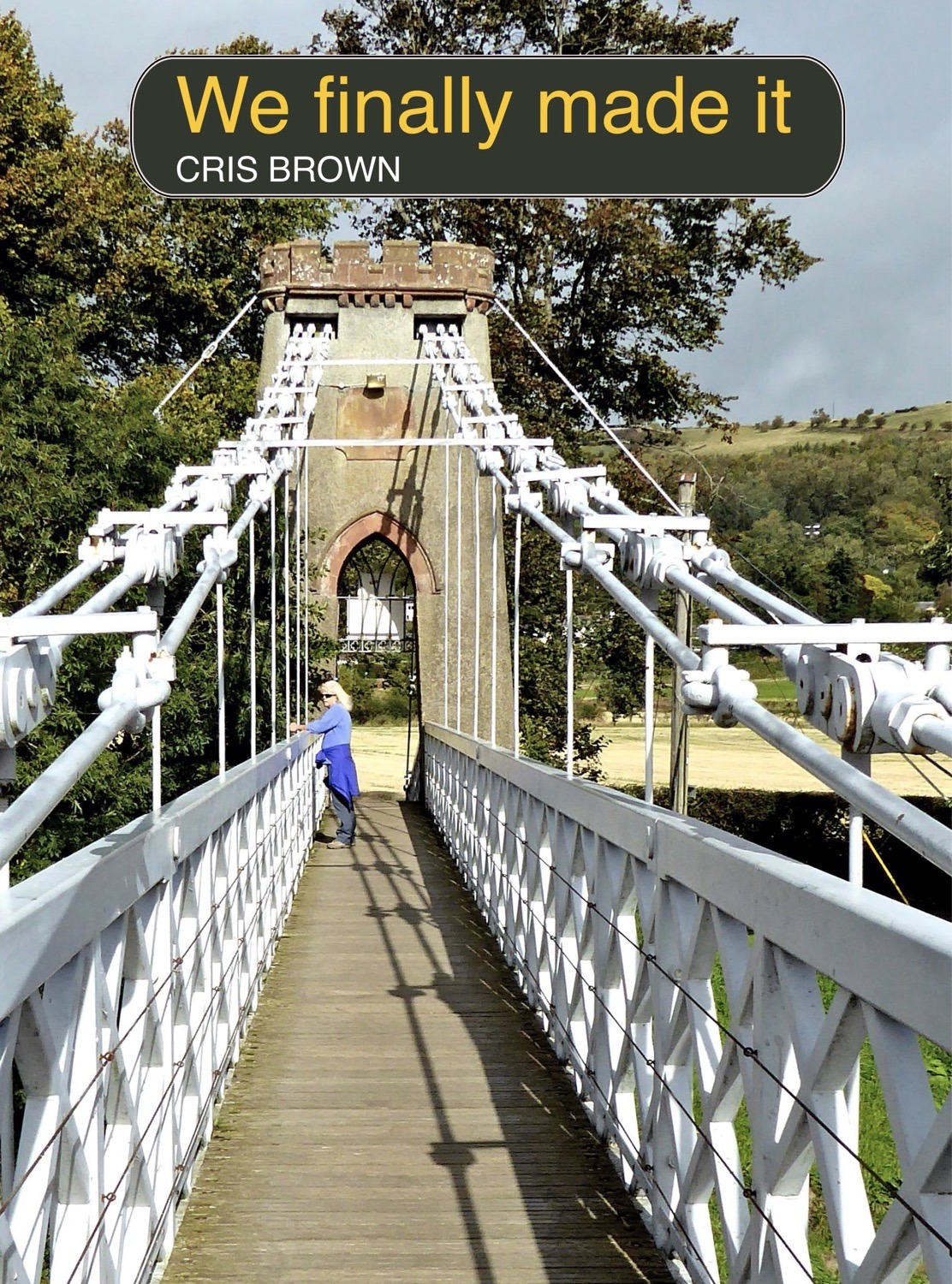
Melrose Chain Bridge
Peter and I decided to go to Scotland to tour the bits we didn’t know, unfortunately Storm Ali decided to join us – but more about that later.
First stop was Falkirk, staying at the Wheel Caravan Park, just a 10 minute walk from the Falkirk Wheel. The site is run by an interesting chap – Hogi, who had recently acquired a horse and cart and he very obligingly took us up the hill for our first visit to the, incredibly good, Canada Wood Restaurant, although Thomas (the horse) didn’t seem too keen, I think he’d been looking forward to a rest and kept trying to turn around. After a trip on the Wheel, which was fascinating, we walked into Falkirk along the lower canal and back along the top one.
After a – long awaited – visit to the Kelpies, we headed to Pitlochry which included a visit to the Blair Atholl Distillery, the home of Bells Whisky.
The Torvean camp site near Inverness (about a half an hour walk from the city, but the city tour bus stops nearby as well) was the next stop and it’s opposite the embarkation point for a boat trip along a bit of the Caledonian Canal and around Loch Ness. The boat goes a far as Urquhart Castle and you get an excellent view of the ruins from the loch.
Heading for Skye we stopped off at Eilean Donan on the way. This is the castle that seems to be featured on the front of most of the ads for Scotland, and it’s not disappointing. Over the bridge into Skye (in pouring rain) we drove to Torvaig camp site, just outside of Portree. We had a look around the town next morning before setting off towards the Old Man of Storr, where we planned to walk. However, when we got there you couldn’t park for about a mile in either direction – probably more with the van, so we had to content ourselves with the sight.
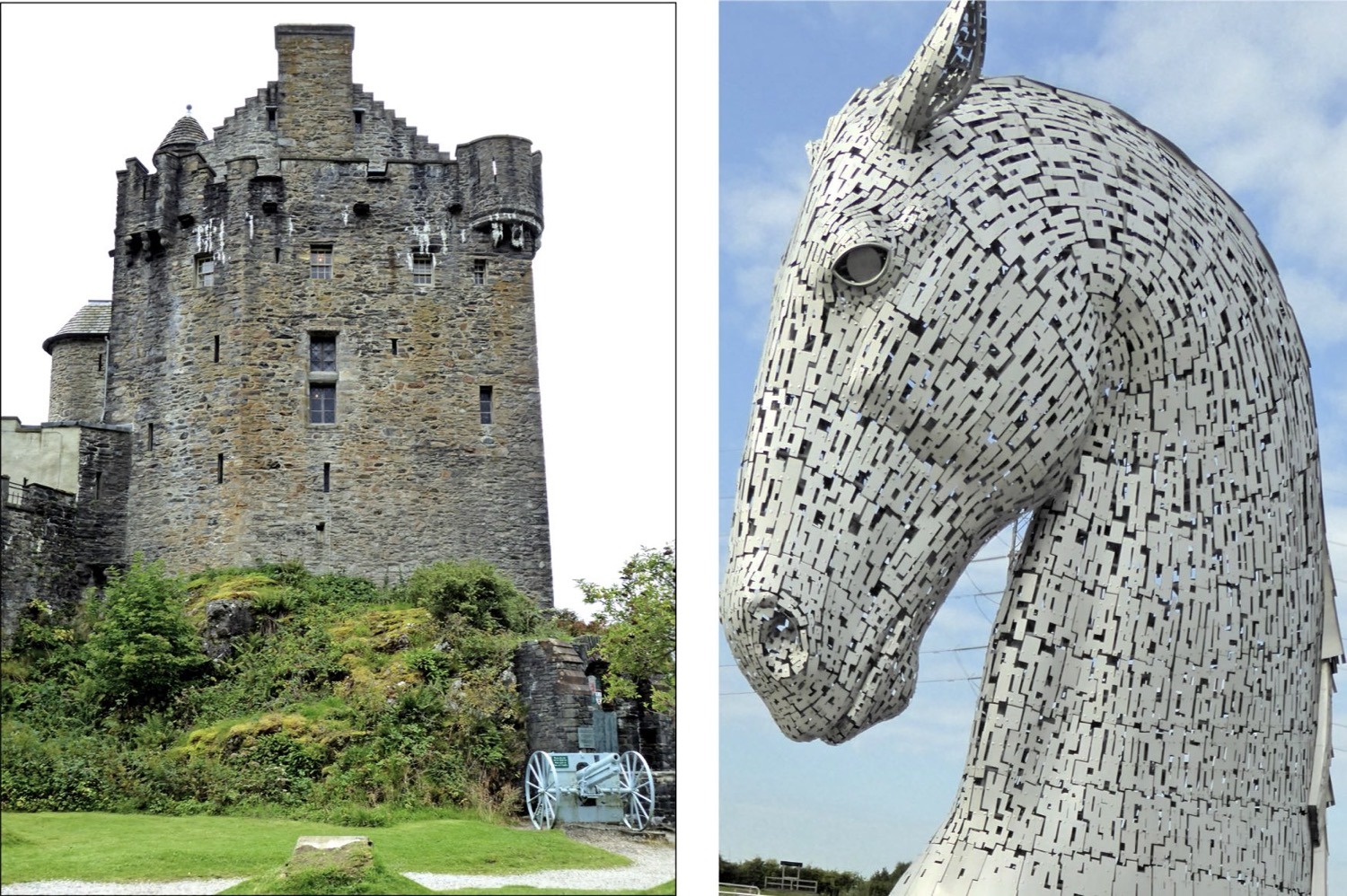
We did manage to park at Lealt Falls and at Meall Tuath before driving past Uig, stopping on the opposite headland which gave us an excellent view of the town, then on to our next site at Loch Greshornish.
This is a lovely camp site next to the Loch and about a half an hour walk from an excellent restaurant, the Edinbane Inn. We used Greshornish as a base to visit Dunvegan Castle – stronghold of the McLeonds but having seen one of the prettiest castles in Scotland (Eilean Donan) this struck me as one of the most ‘dour’. It was, nevertheless, an interesting place and the gardens were lovely. However, before going into the castle we took a trip to see the seals – ON A VERY SMALL BOAT!!
From the castle we followed the tiny road north to the Coral Beaches, having to shoehorn the van into a very small car park, but it was a pleasant walk to the beaches.
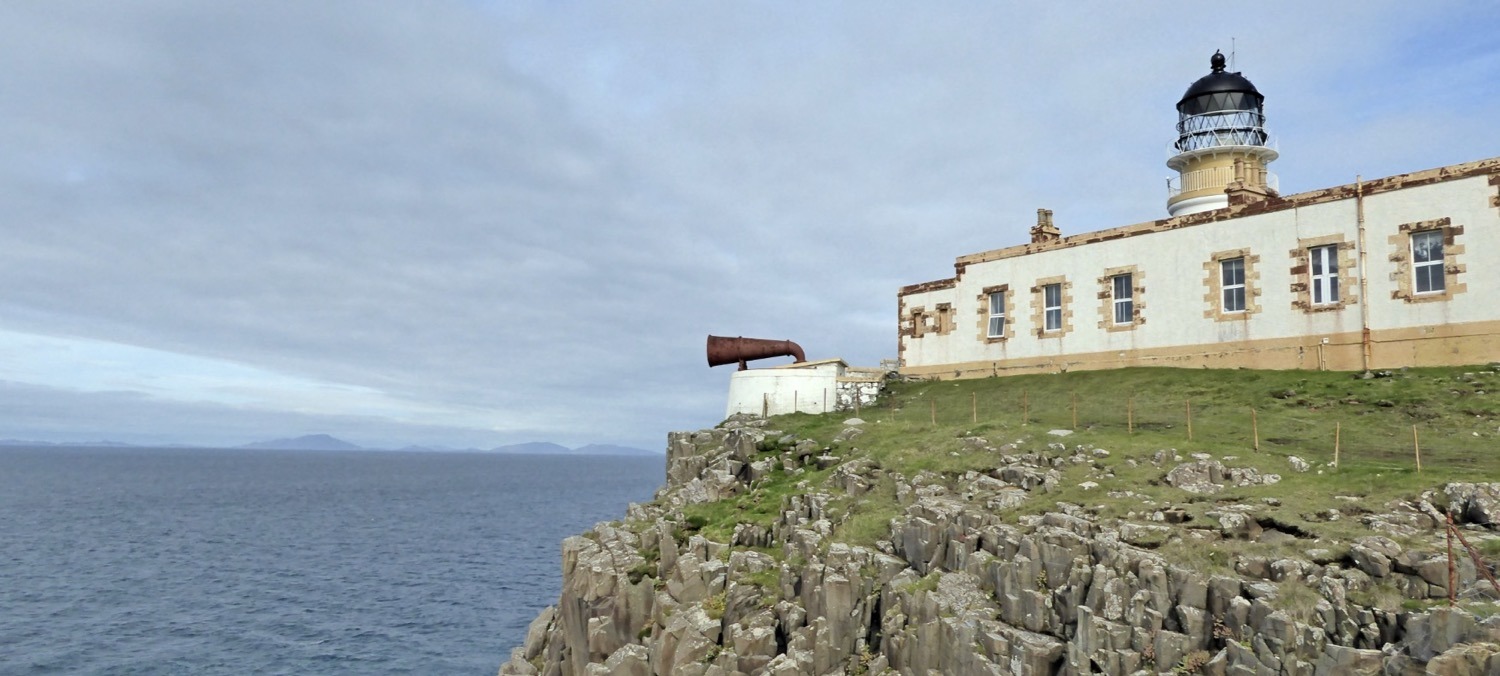
On another day we went to Neist Point and walked to the lighthouse, in reasonable weather. It was not to last….
Moving on to the Glenbrittle campsite – great location, but tortuous to get to, we passed the Fairy Pools, which we had planned to walk to, but again couldn’t get parked. In fact, we barely got along the road for parked vehicles. Once settled, we went for a walk along the beach but then it started to rain, and then it really started to rain. The following morning the weather was truly awful.
We had planned to camp a Sligachan that night, but as the weather was so bad we decided to head straight for Broadford, where there is a village and a shiny new campsite (then). We visited Armadale Castle next day, getting back early afternoon, which is just as well as the winds increased to around forty-five miles an hour with lashing rain. We went for a walk around the headland on Wednesday; it was raining to start with but did clear up.
We left Skye via Mallaig then got the ferry from Lochalinne to Mull and stayed at Craignure for 4 nights. We decided to drive around the Island on the scenic route – we should have known better! The A roads are challenging enough but the B roads – to be avoided. We did get to Tobermoray eventually, where we had a look around and lunch and the following day we took the ferry to Iona and toured the Abbey. Excellent trip, if a bit of a bumpy ferry ride.
From Mull we got the ferry to Oban and drove to Tynedrum, where there are two railway stations, which seemed a good considering the weather and the forecast – Storm Ali remember? We stayed at the ‘By the Way’ camp site, and Ali joined us just after midnight. We got the full works, thunder, lightning, high winds and very heavy rain. It was very violent and noisy, but there were no mishaps.
In the aftermath we decided the trains were the best option – to Oban one day and to Mallaig on another, which was a particularly pleasant journey, as coming back because we saw quite a lot of wildlife. Of course, we also went over the Glennfinan Viaduct (of Harry Potter fame).
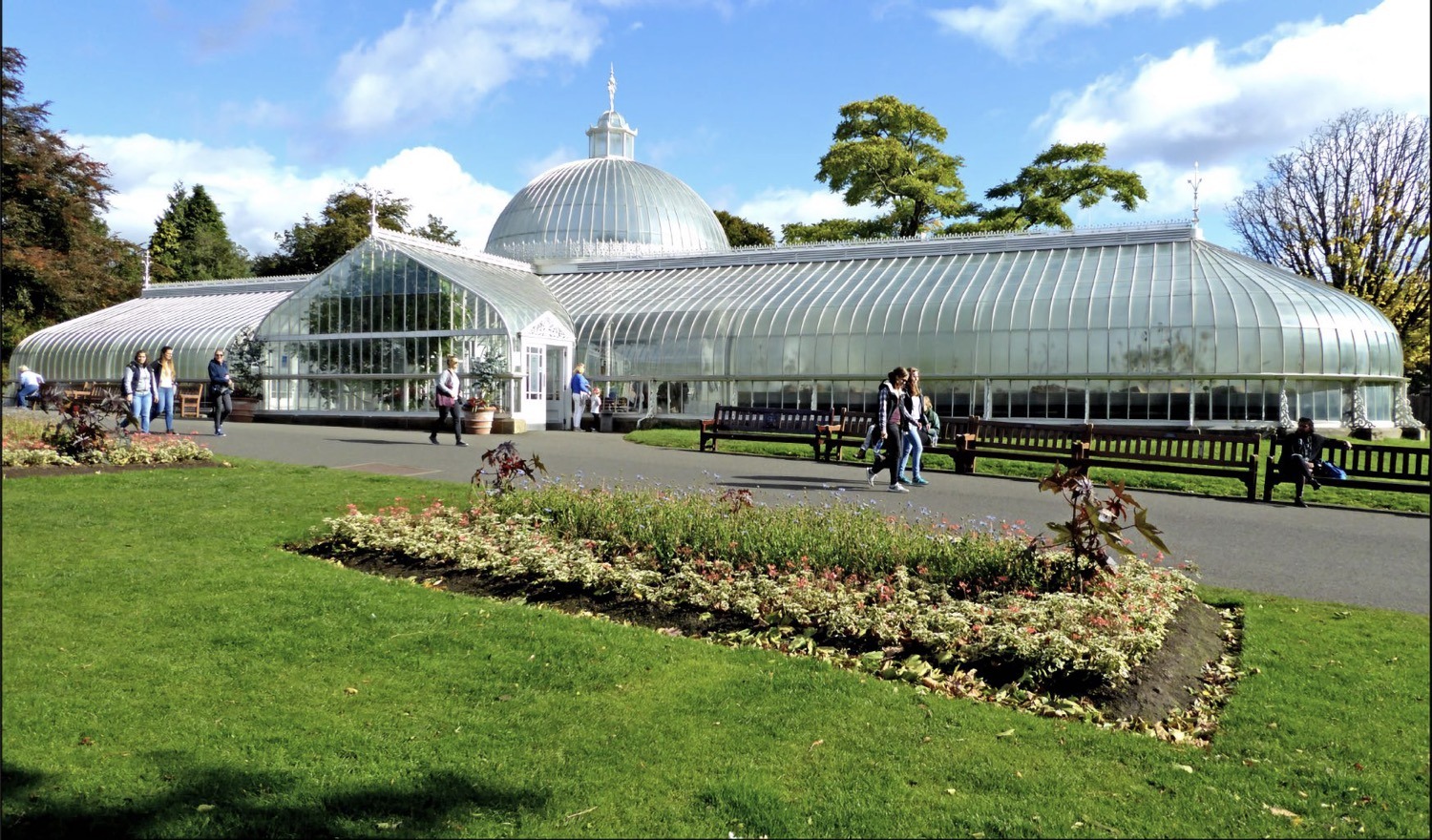
After stopping off to see some friends who live in Helensburgh, during which time we visited the Botanical Gardens in Glasgow, we broke our journey home in Melrose for a couple of nights. where we explored the town trail, the chain bridge and the Abbey.
4 weeks. Excellent trip, in spite of Storm Ali.
The Somme, a moving experience
2016 was the 100th anniversary of the battle of the Somme, we decided to make a stop at Albert on our way south.
John & Jan Geeson
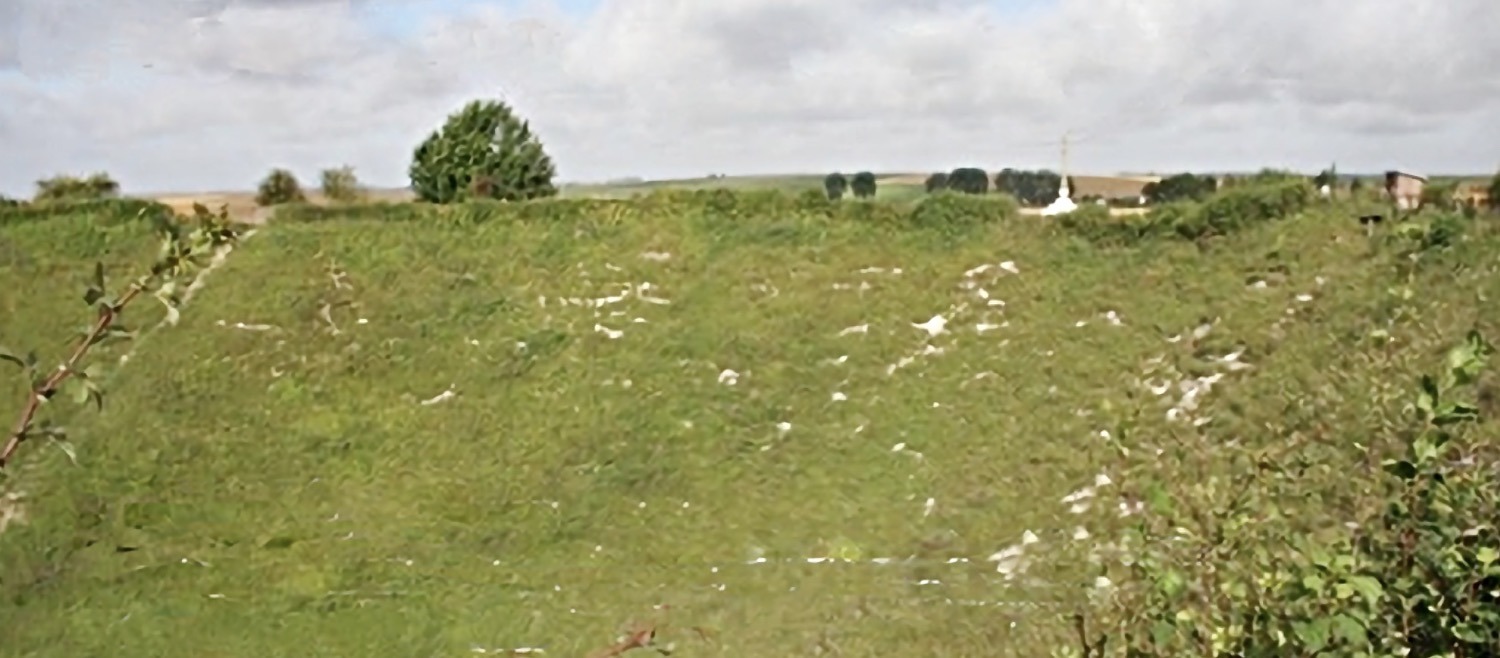
La Boiselle: It was on 1st July 1916 at 0730 several mines were exploded on the German front lines initiating the start of the battle. It was here, at La Boiselle, that one of the biggest mines was exploded. The Lochnagar crater (above) 91 meters in diameter and 21 meters deep is the only crater accessible to the public, it is preserved in perpetuity as a lasting memorial and each year on 1st July memorial services are held.
Thiepval: Was a significant position during the war and was fortified by the Germans. The battle to retake Thiepval began on 1st July at 0730 when 100,000 inexperienced soldiers went over the top but were quickly hit by machine gun fire. At the end of the day 60,000 British soldiers became casualties, with 12,372 killed. The first day of the battle of the Somme was a failure, a disaster for the British Army and is known as “The worst day in British Military History”
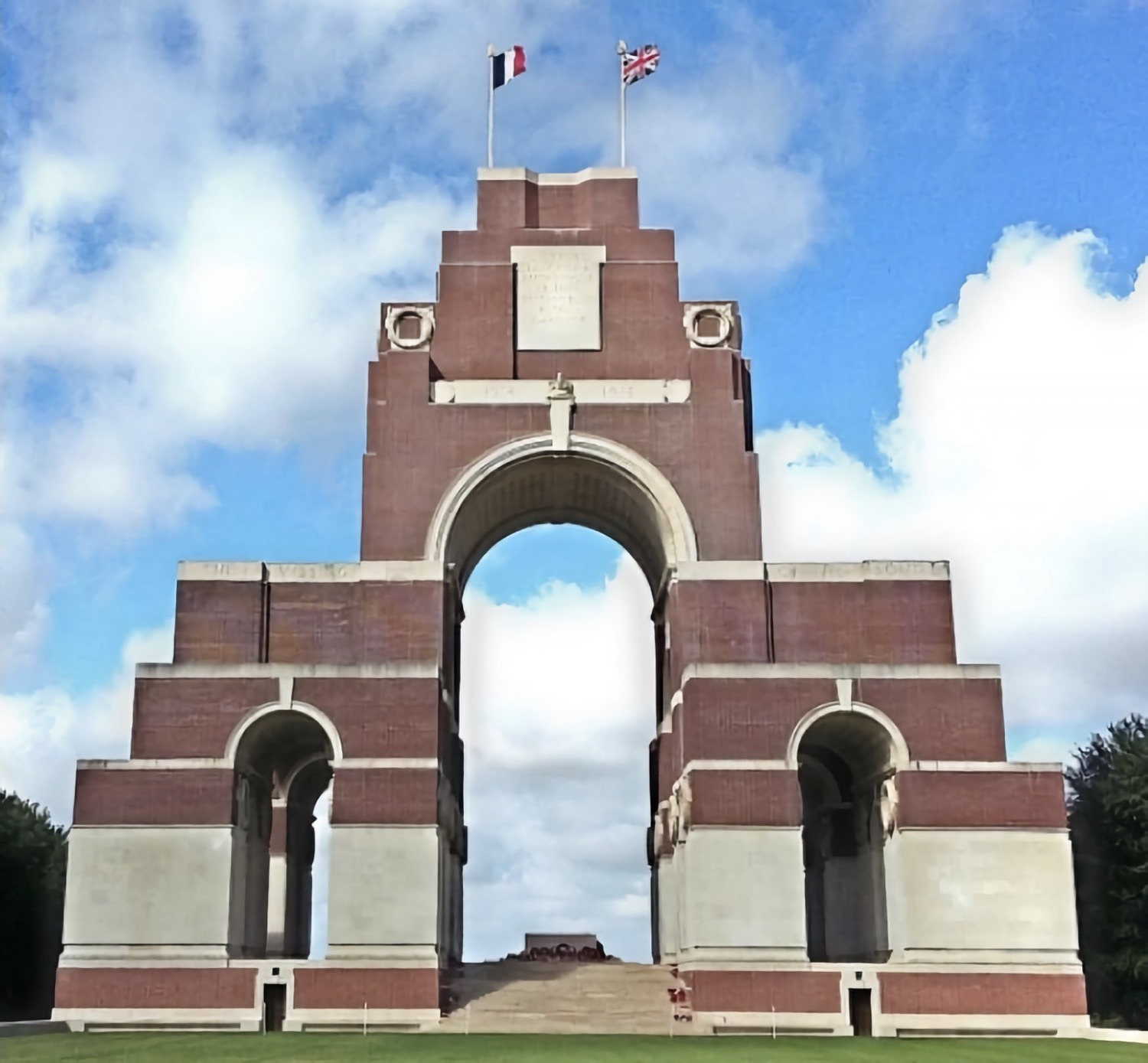
The Thiepval Memorial The Memorial to the Missing of the Somme is the largest Commonwealth war memorial in the world and bears the names of 72,000 men of the UK and South Africa who died on the Somme and have no known grave. From 1st July 2016 and for 141 days (the length of the battle) commemorative services were held each day at noon. On the day we visited the Brunswick accordion band from Mourne NI, consisting mainly of teenagers, were in attendance, en route for the Menin Gate to perform a piece of music “The Men of Mourne”, written especially for the Somme celebrations. They played this at Thiepval and not a dry eye was present, an extremely moving piece, from here they marched to the Ulster Tower.
The Ulster Tower The memorial stands on the ground where the men of Ulster fought and died. The 36th Ulster Regiment suffered over 5,000 casualties on 1st July 1916, one in four were killed, injured or taken prisoner. There is a small museum in the tower and a café serving light snacks, the chocolate muffins are particularly good.
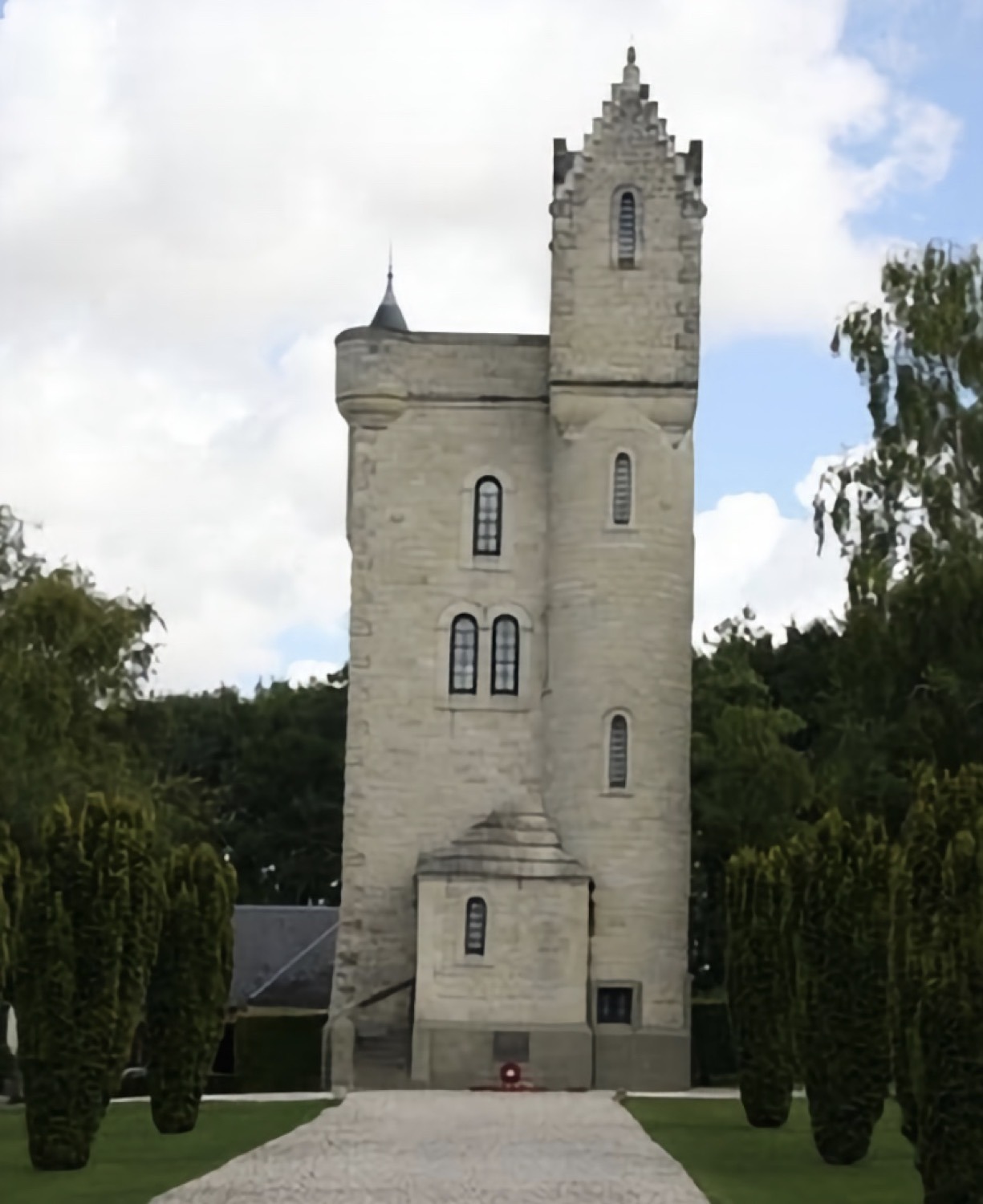
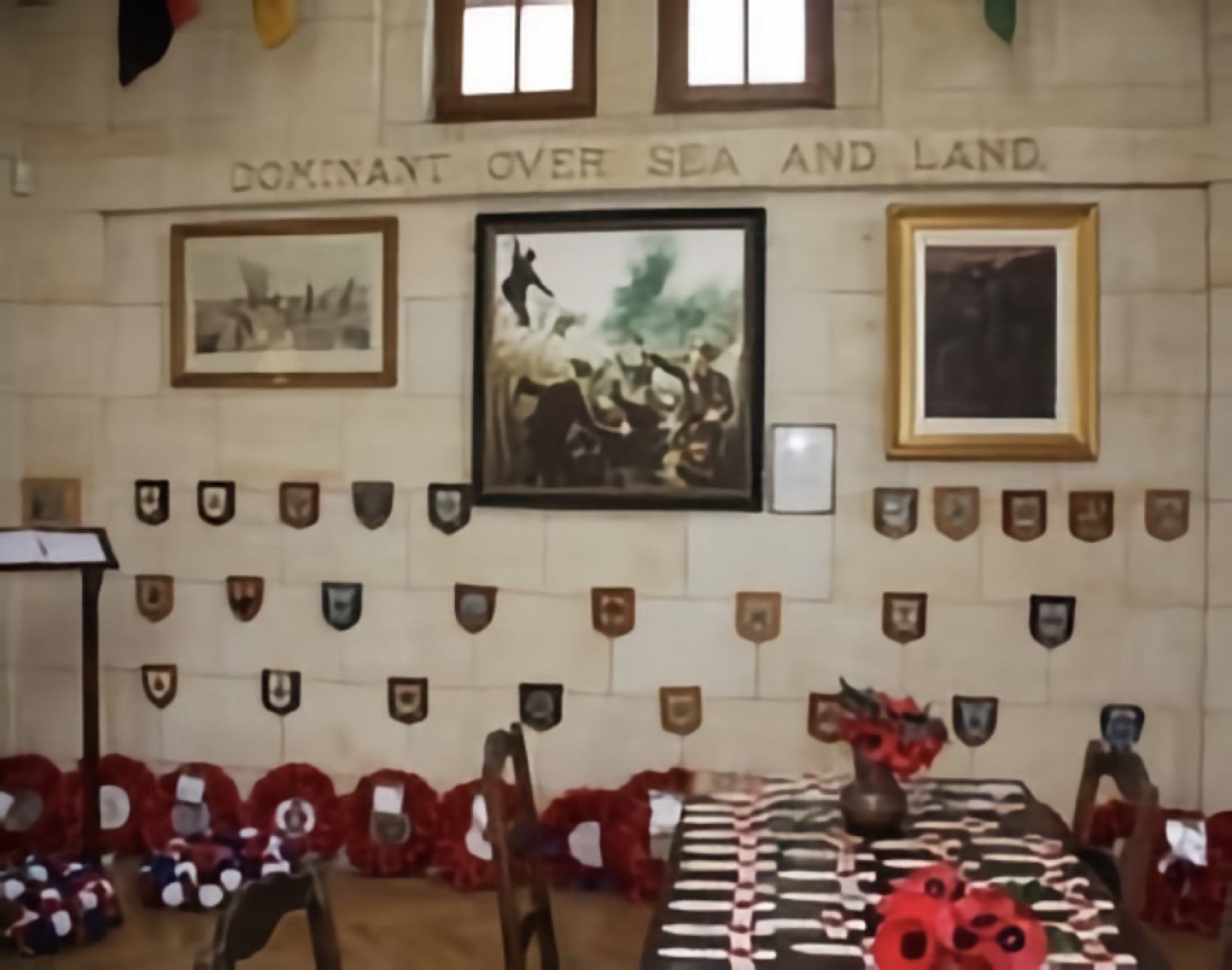
The Ulster Tower The memorial stands on the ground where the men of Ulster fought and died. The 36th Ulster Regiment suffered over 5,000 casualties on 1st July 1916, one in four were killed, injured or taken prisoner. There is a small museum in the tower and a café serving light snacks, the chocolate muffins are particularly good.
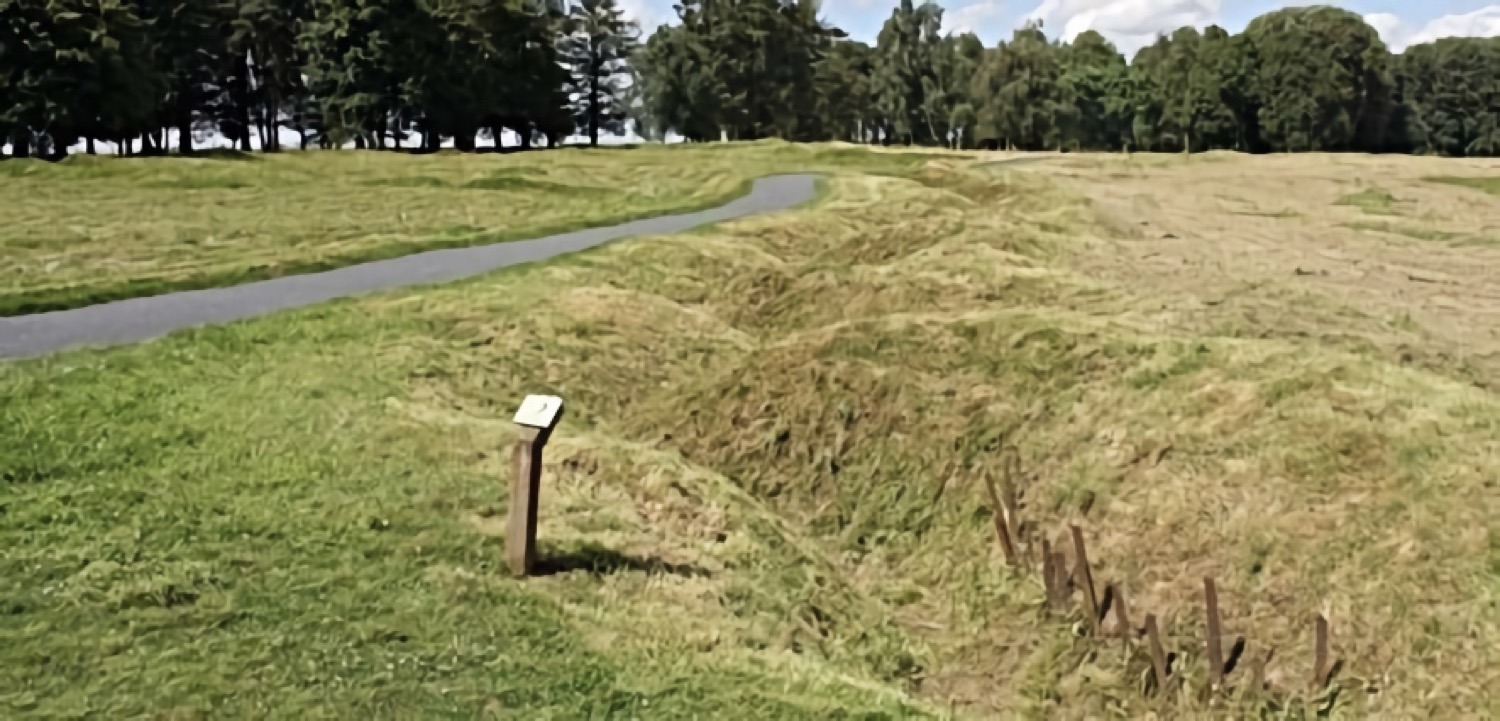
Beaumont-Hamel: The Newfoundland Memorial, managed by the Canadian Government, displays a very moving and visual image through the well preserved network of trenches, covering approx. 30 hectares. The memorial to the 29th Division stands at the entrance to the park and depicts a Caribou, the emblem of the Royal Newfoundland Regiment. Three bronze plaques commemorate 820 men from the:- Royal Newfoundland Regiment, the Newfoundland Royal Naval Reserve and the Mercantile Marine who gave their lives during the Great War and whose bodies have never been found. One single tree survived the devastation in the area and is a skeleton of the “Danger Tree,” so named as it was situated at a particularly exposed area. The only tree that survived in the heart of no-man’s land.
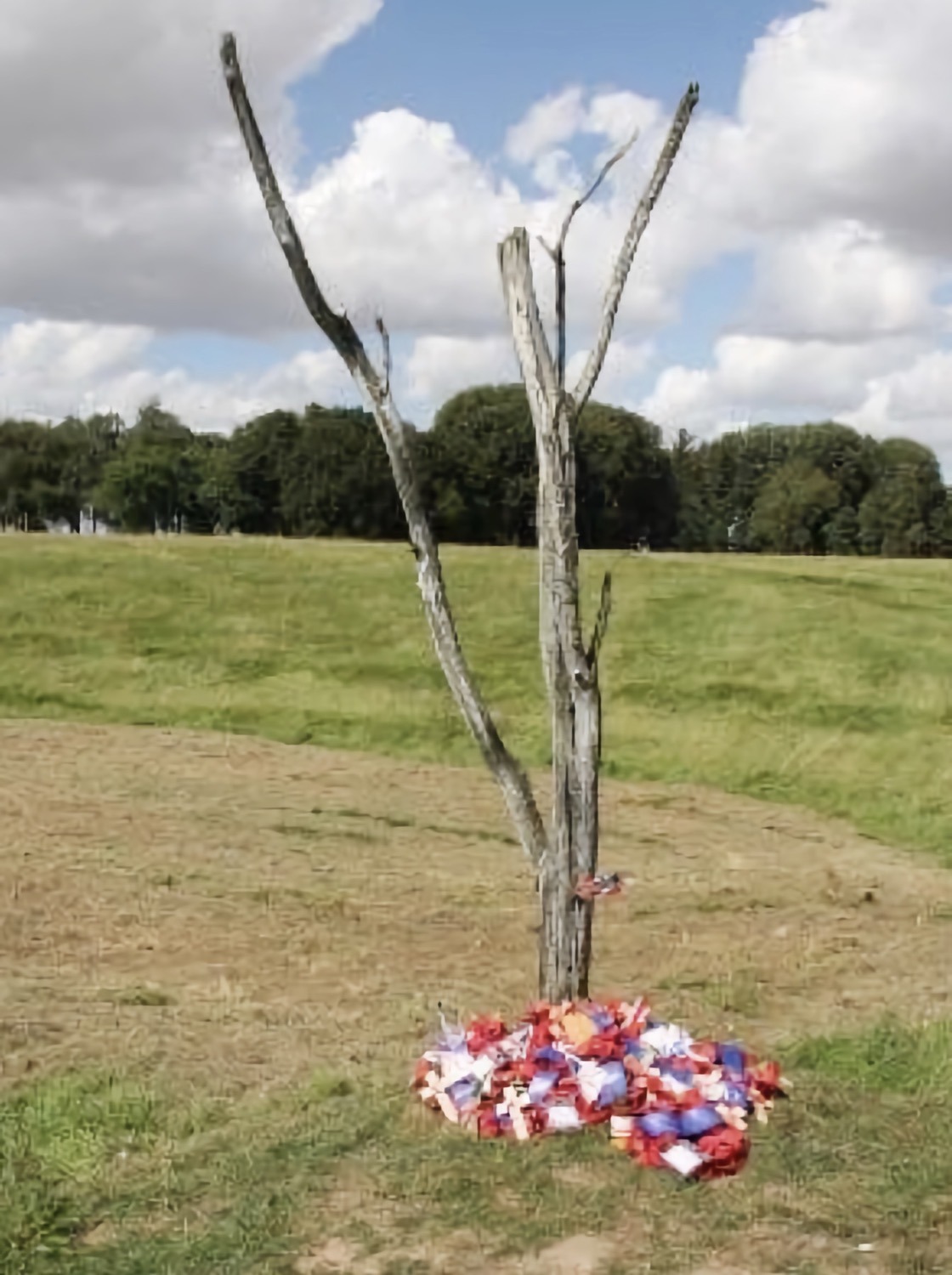
An extremely moving experience. The campsite at Albert is situated in parkland with good walks and lakes, and a ten minute walk from the centre of the town.
ADGE, Southern France
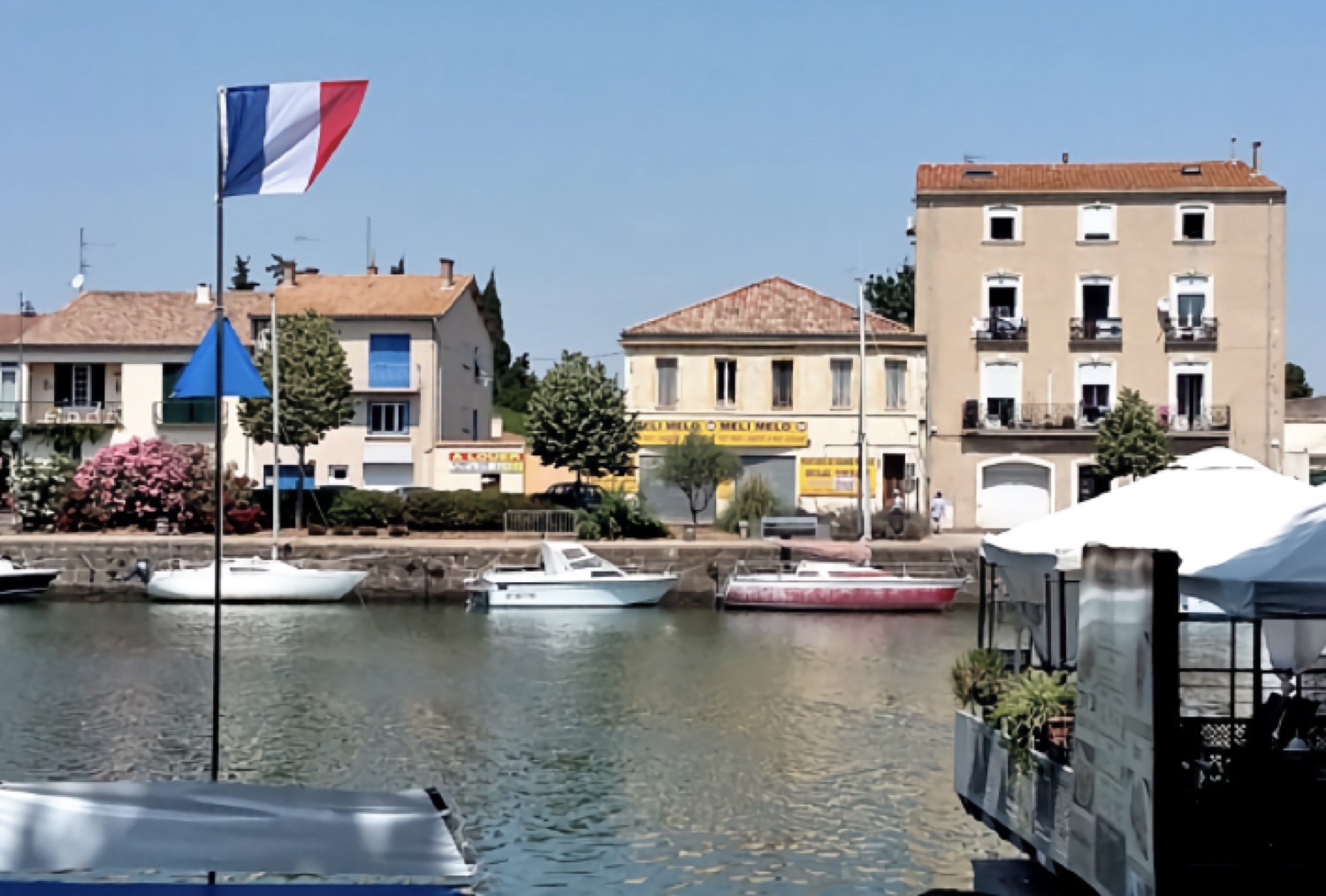
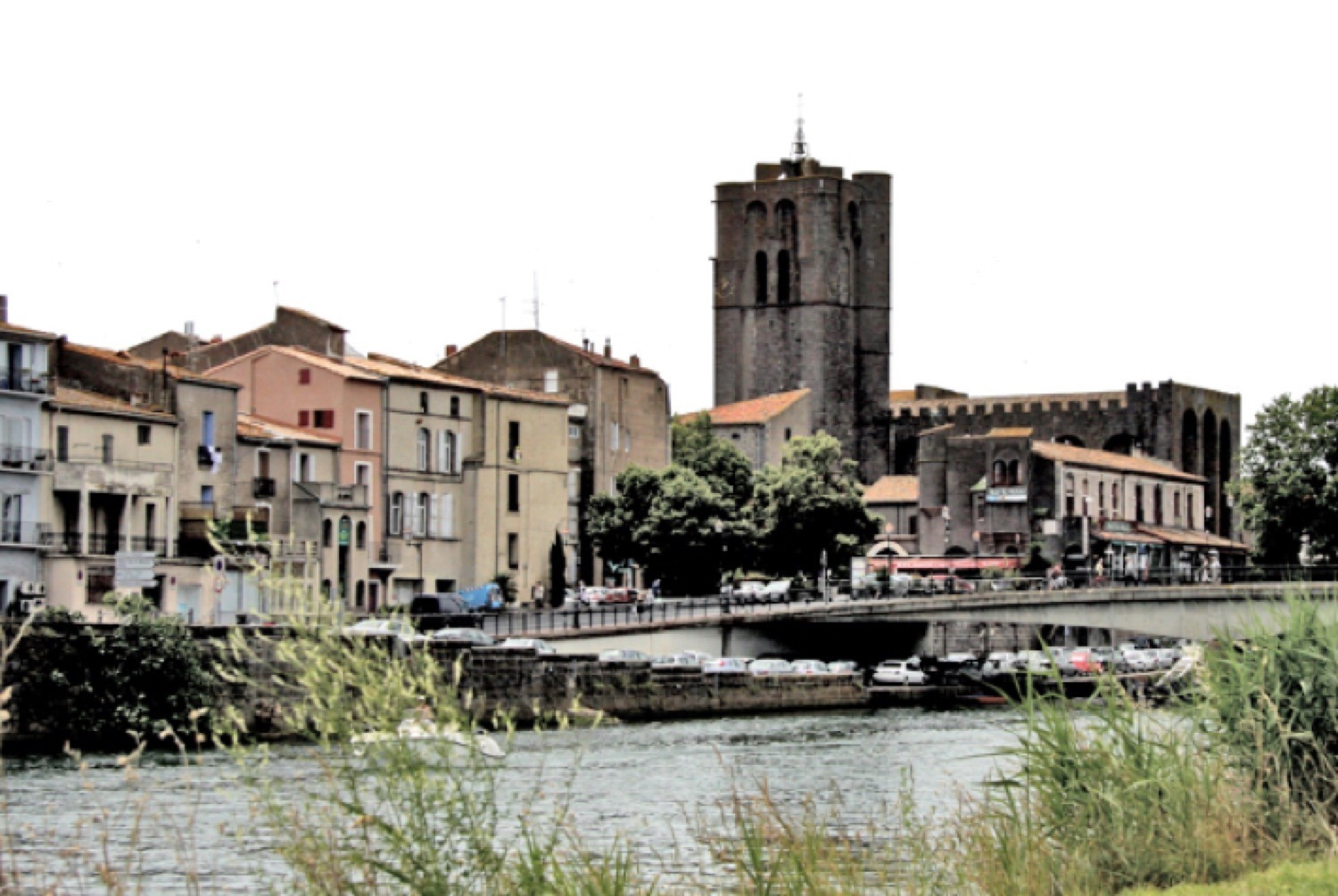
Agde is a commune in the Hérault department in southern France. It is the Mediterranean port of the Canal du Midi.
Let’s Visit Another Place
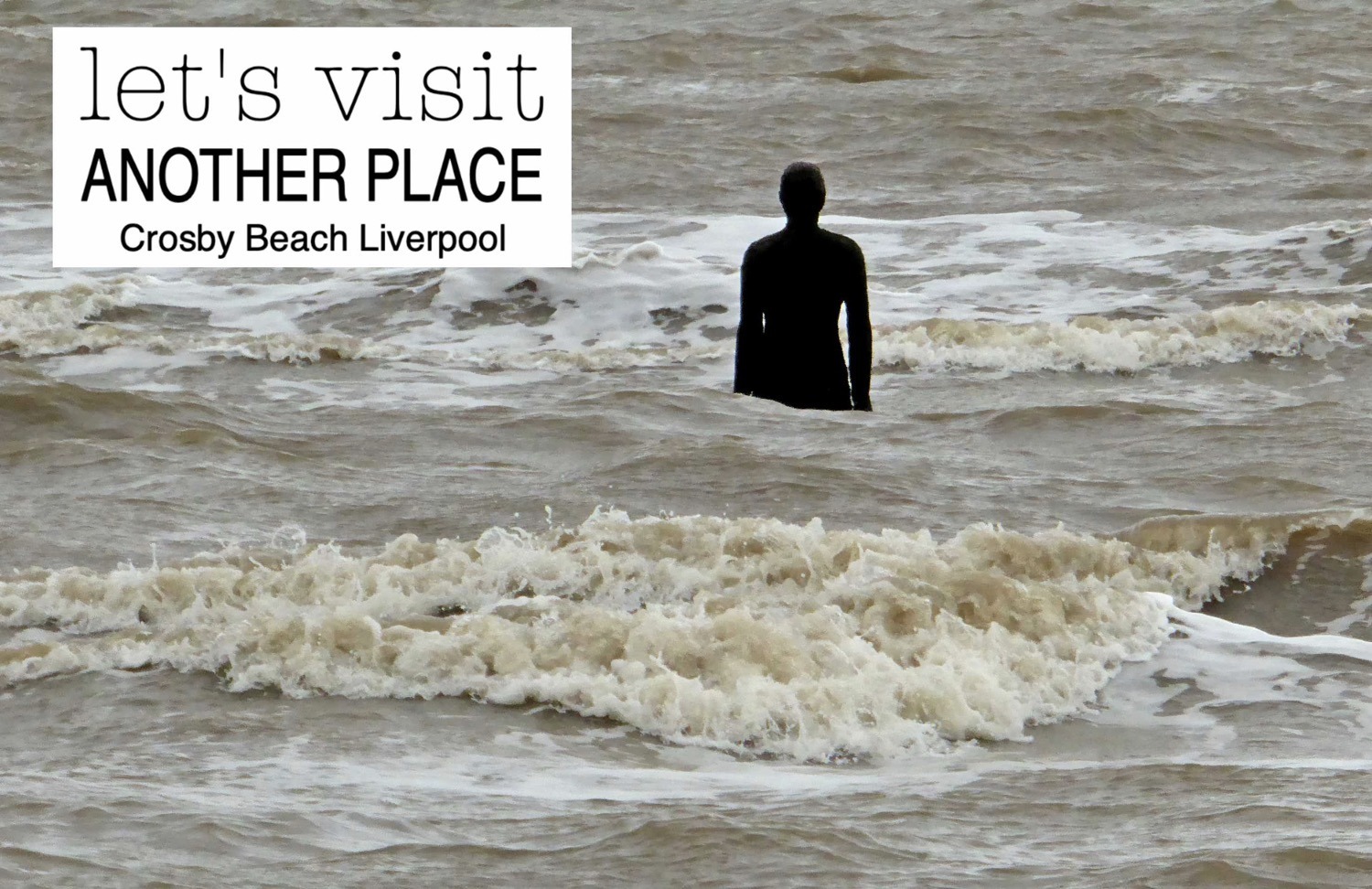
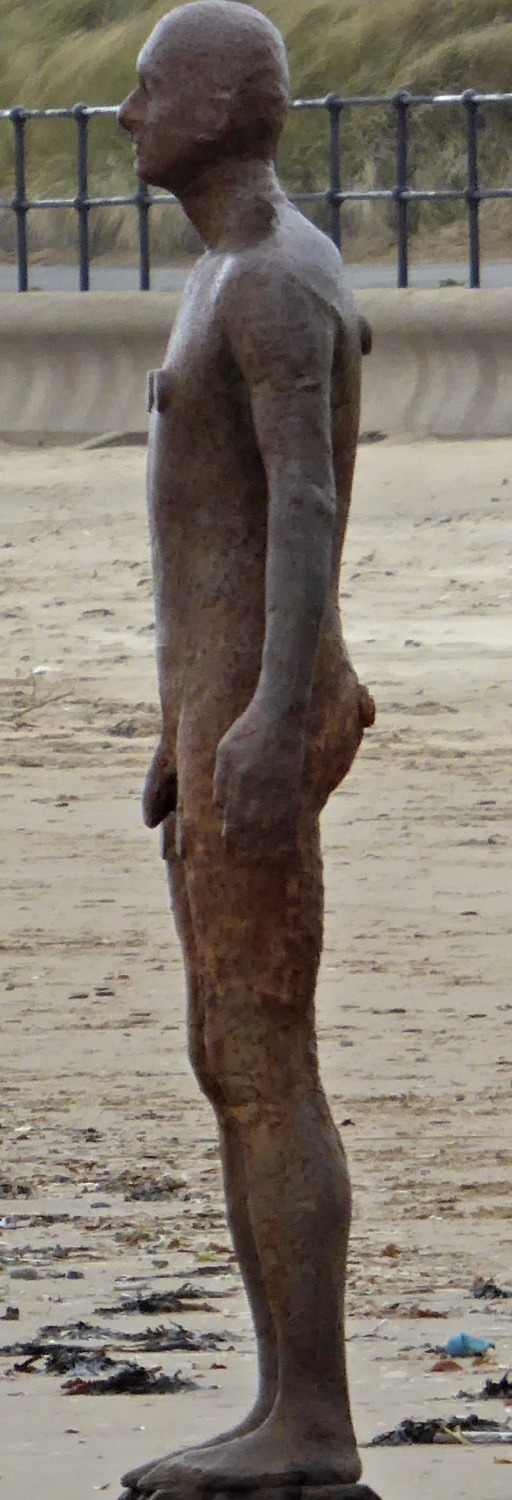
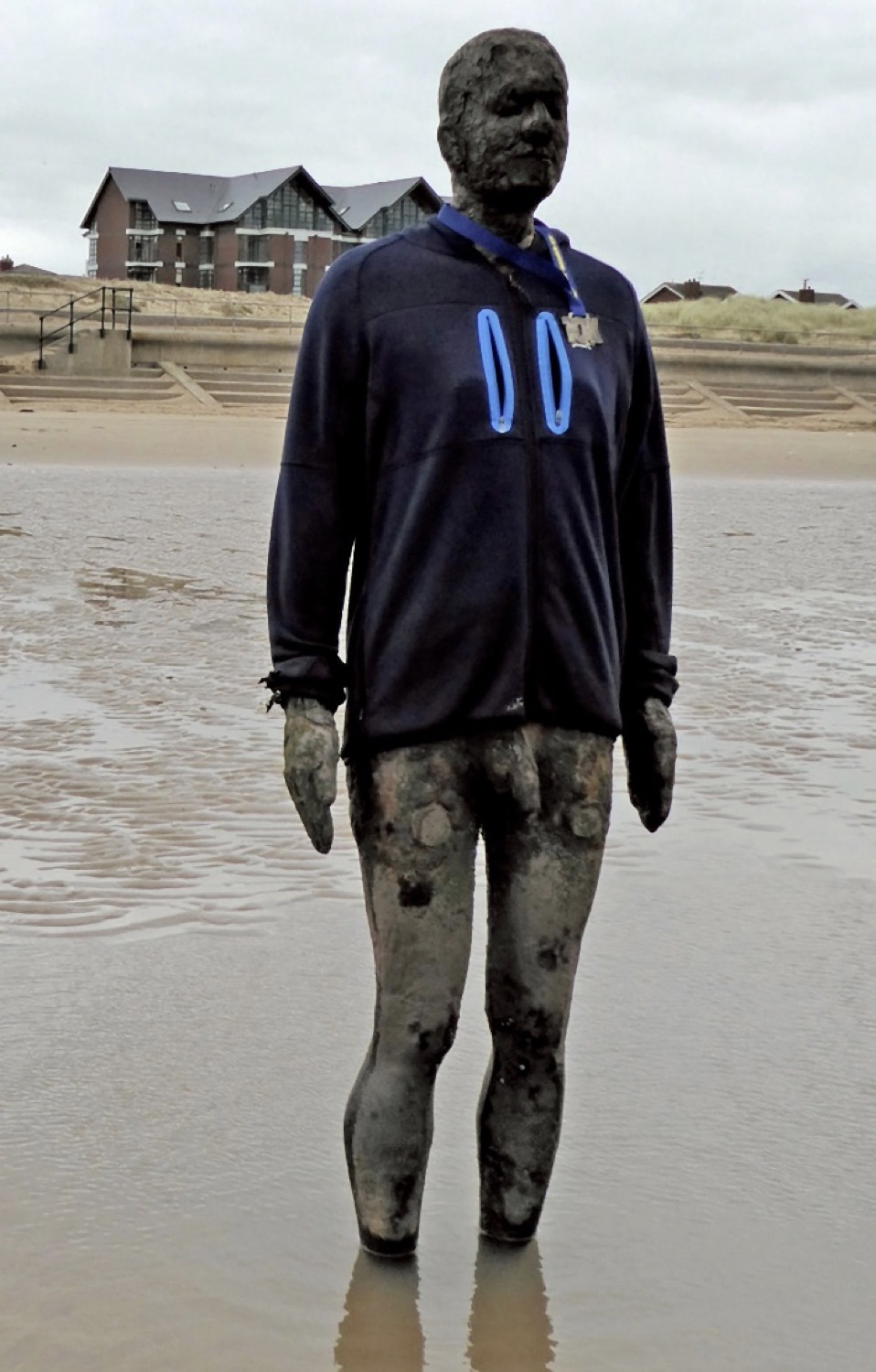
Another Place by Antony Gormley is an art installation on the coast. 100 life-size figures spread across three metres of the foreshore and stretch almost one kilometre out to sea.
Crosby beach is a non-bathing beach with areas of soft sand, mud and changing tides. Visitors should stay within 50 metres of the promenade and not attempt to walk out to the furthest figures.
https://www.visitliverpool.com/things-to-do/another-place-by-antony-gormley-p160981
Visiting Monet’s Garden
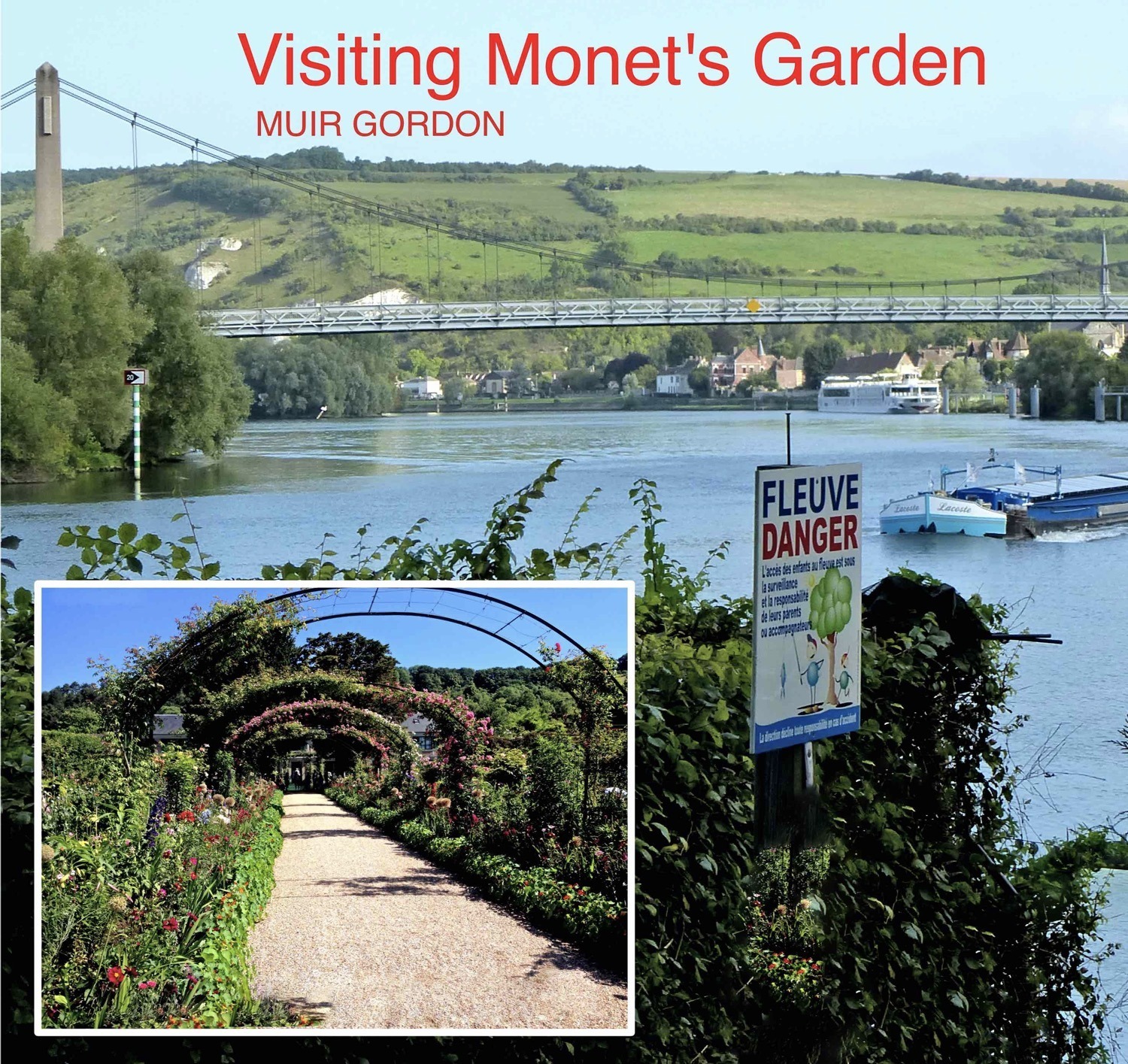
[inset] Monet’s Garden photo: Robin Tannahill
I enjoyed Carol and Robin Tannahills account of their travels in France with ‘Pablo’, not least because we also stayed at Camping de L’ile des Trois Rois, beside the Seine at Les Andelys and used it as a base to visit Giverny and Monet’s garden.
For what it is worth, our technique for visiting the fantastically popular garden was the reverse of Carol and Robin in that we went late in the afternoon.We obtained our tickets at the entrance to the garden about 4.30pm after a negligible wait. We did find the garden very busy at first – our visit was in early September – but the crowds soon faded away. By 5.00pm everything was very nice and peaceful, and we greatly enjoyed our visit, exploring the gardens and the famous lily pond, plus touring Monet’s house virtually by ourselves.
The garden closes at 6.00pm, we found an hour and a half ample time for a thorough and pleasant visit. The only mystery to us is how Monet found time to do all this beautiful gardening, and still find time to paint!
Even if uninterested in Monet’s garden, or the art of the time in general, Giverny is well worth visiting because it has something dear to the heart of all motorhomers – a vast free car park! This is off the roundabout at Giverny to the right, when approaching from Vernon. The car park on the left, while closer to the village, has height barriers. There were many motorhomes from all nations in the car park, and it appears many stay for the night. However, I do not know if it is officially permitted or not. There are no facilities at the car park; toilets etc. are over the road alongside the walkway to the village, but close about 5.00pm.
We enjoyed staying at Camping de L’ile des Trois Rois, not least because we were fortunate to be allocated a pitch right on the riverbank. We enjoyed watching the passage of the many big barges and vast passenger cruisers through our windscreen. Even without this bonus, the site is a lovely one, and highly recommended.
Les Anadelys is actually in two parts – Petit Andely alongside the river, and Grand Andely up the valley to the east of the Seine. Petit Andely is full of old buildings, rather a quiet touristy backwater nowadays. It is a pleasant walk along the riverbank from the site. Grand Andelys is the main commercial centre, unfortunately rather spoilt by the busy D316 running through its centre. It is a tedious trudge along busy roads from the site, much better to cycle if you have bikes. Otherwise, there is a handy (free) car park on the left of the D316 just before the main centre of the town. The car park is on the corner with the junction with the D1. While there is plenty of parking for cars in Grand Andelys central square, I felt it was all a bit tight for vans.
There is an Intermarche in the centre of Grand Andelys, or a bigger out-of-town Intermarche on the D125 about 3 miles east of the town centre.
You can take your van up to Chateau Gallard, the road is well signposted off the D316, shortly after passing through the centre of Grand Andelys. The road leads to a big, though sloping, car park. Motor vans and large vehicles are not permitted any further down the narrow and steeply sloping road to the Chateau, and on down to Petit Andelys. You, therefore, have to re-trace your route once your visit is over – although the entry road seems signposted as a one-way system, the exit sign says ‘Sauf Camping Cars’.
It is about ten minutes walk from the car park to the Chateau. The views are excellent, and make a visit well worthwhile. As well as the Chateau, there are enticing-looking way marked walks around the expanse of chalk downland. Most of the remains of the Chateau are not fenced off, and you can visit them any time; there are handy interpretation boards in French and English.
It is just the central keep that you have to pay to enter. With impeccable timing we approached the drawbridge just before 1:00pm unaware the keep closed for the sacrosanct French lunch break – so cunningly saved twelve Euros there. Perhaps some other reader of ASOC News will visit and let us know if we missed anything of great interest.
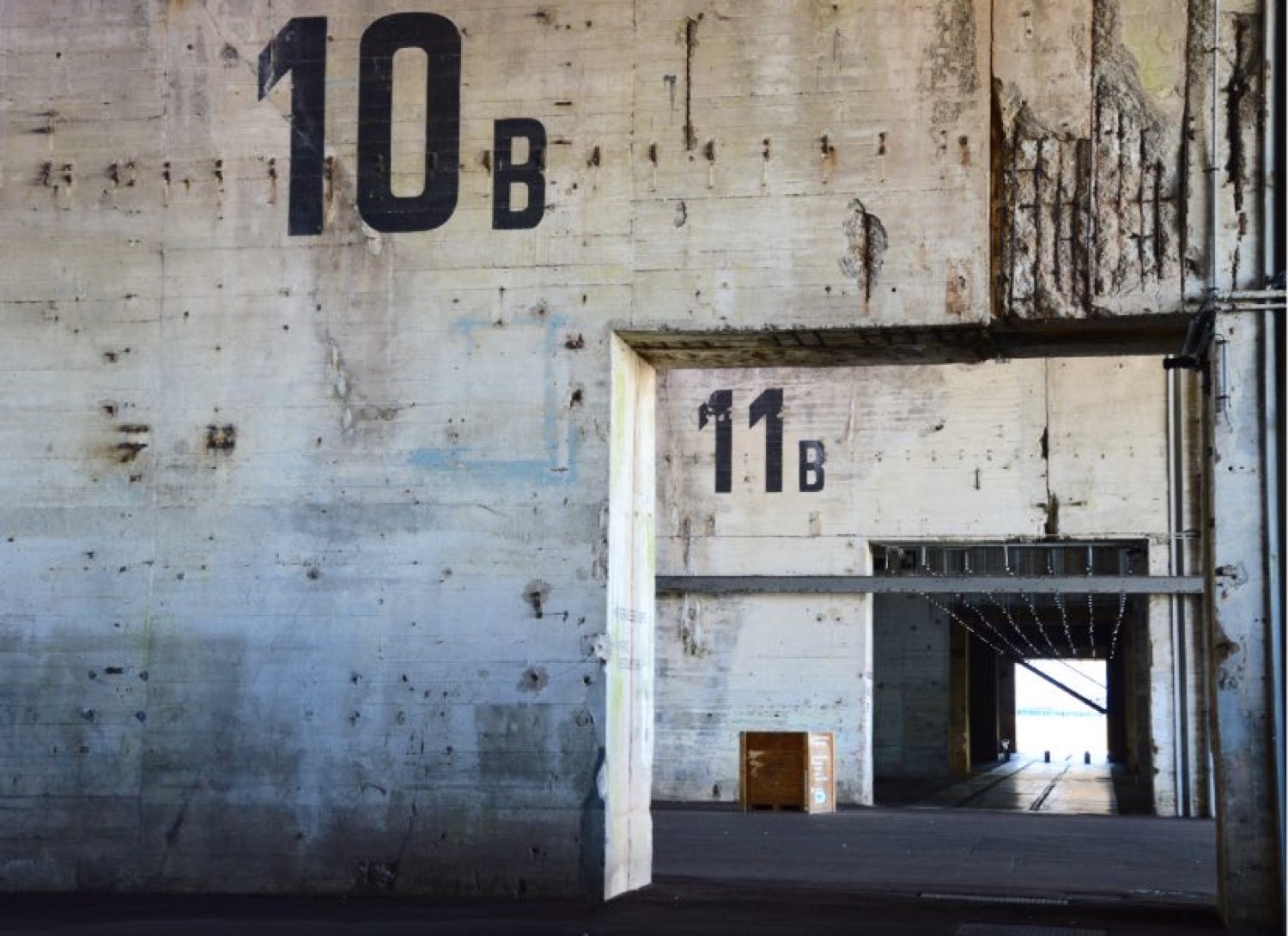
Saint Nazaire and the submarine pens – with Christopher Macgowan
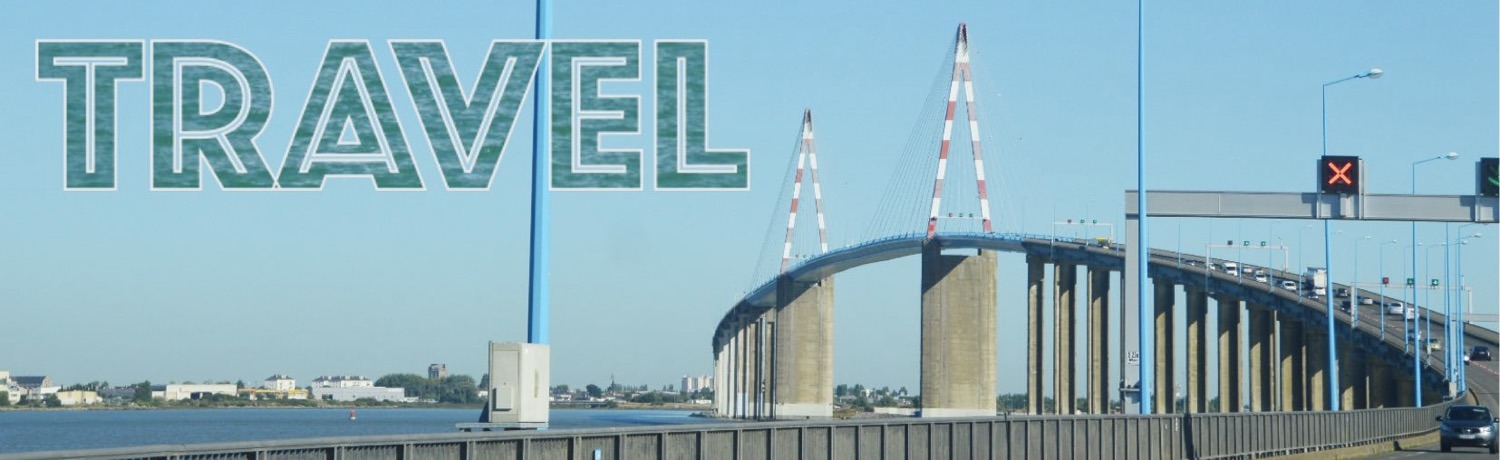
You know when you are nearing the town as a towering bridge looms into view which takes you across the estuary and drops you into what is still looking like an industrial centre. There is still shipbuilding here and fishing – albeit fishing is a tad more complicated these days because of politics. Nonetheless it built the SS Normandie, the RMS Queen Mary 2 was built here in 2003 and the Chantiers de l’Atlantique is still one of the largest shipyards in the world. Indeed, during my visit it was fitting out a new cruise liner and testing a military combat ship in the harbour.
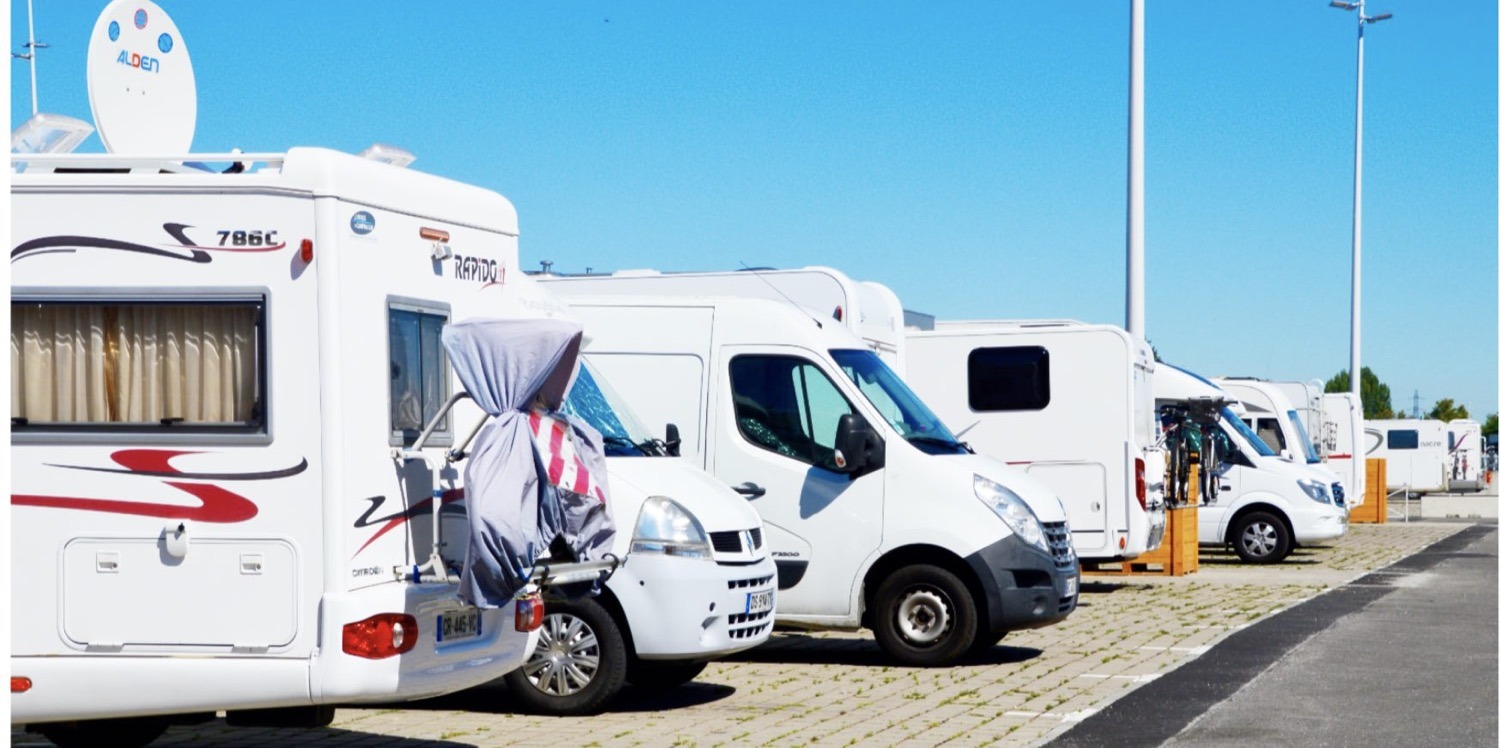
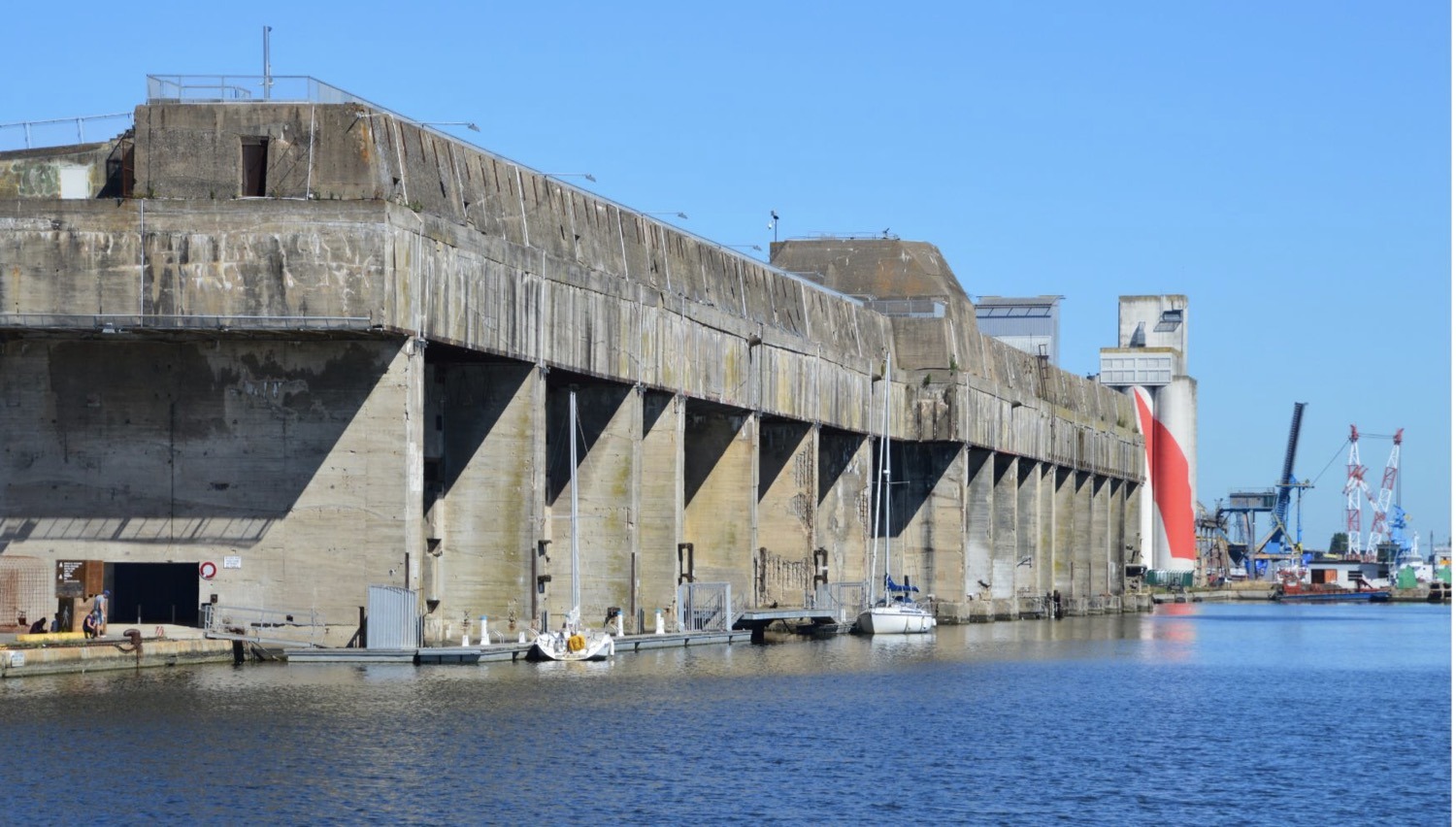
I love the place because it looks out towards the Atlantic Ocean and for me is a lovely diversion when I am travelling on the west side of France and need a break. Bordeaux is south and Le Mans a bit further in land. And if you like a bit of industrial history let alone WW2 history, Saint-Nazaire is well worth a visit. It will never rate highly in France’s top tourist attractions and with a population of 70,000 there is plenty to do, but, for me and I suspect most visitors, the primary attraction, are the famous – and infamous – submarine pens. Very close by is a parking area and next to that a pay-for aire.
During WW2 – which our French friends refer to as The Occupation – Saint-Nazaire became the French HQ of the German navy and as a result a major target for the allies.
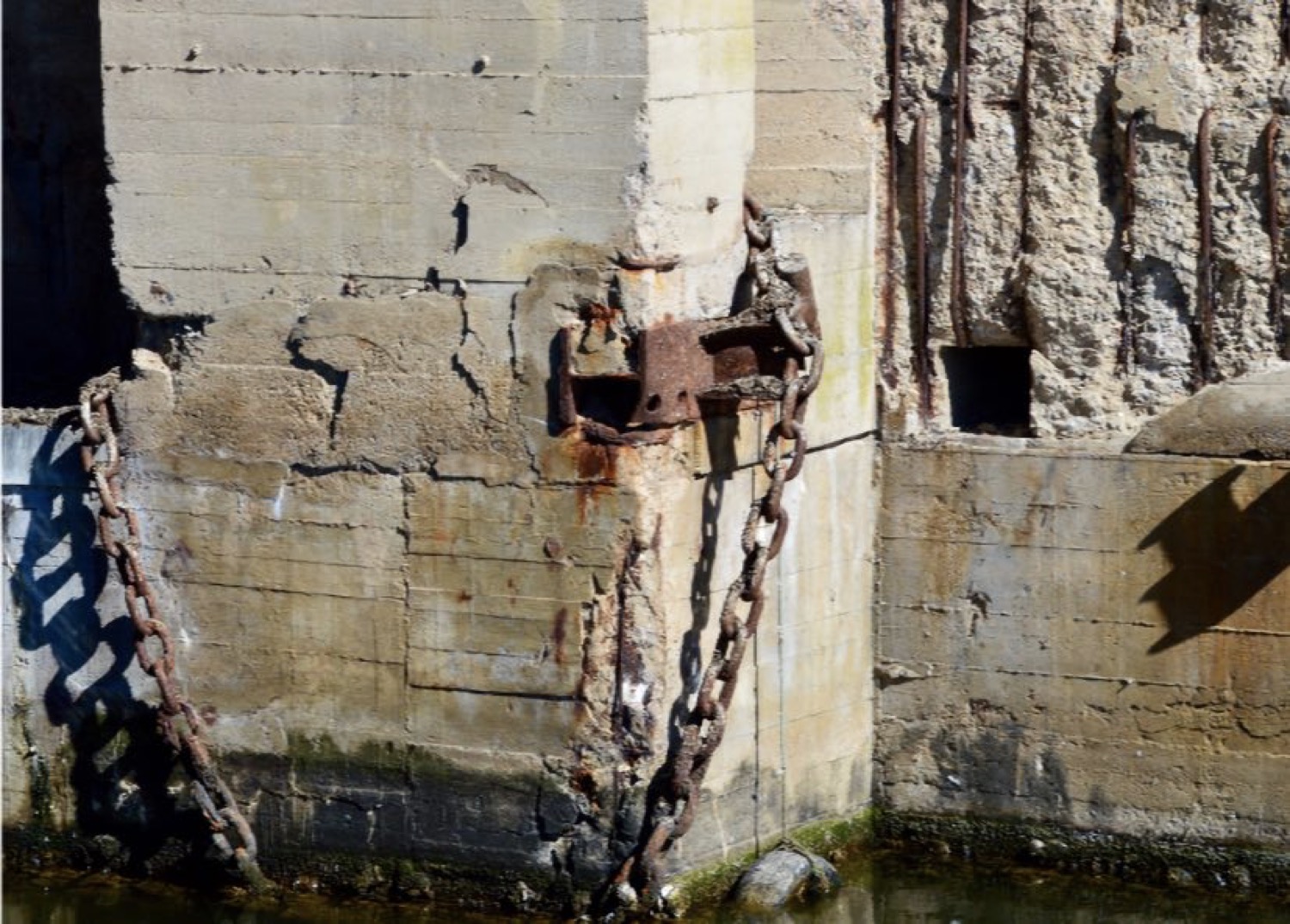
The pens understandably have become a major tourist attraction and are fascinating. They were built under appalling slave labour conditions and in a sense they now act as a monument to continued peace and the folly of war.
Pitchstop, Camping-Car Park
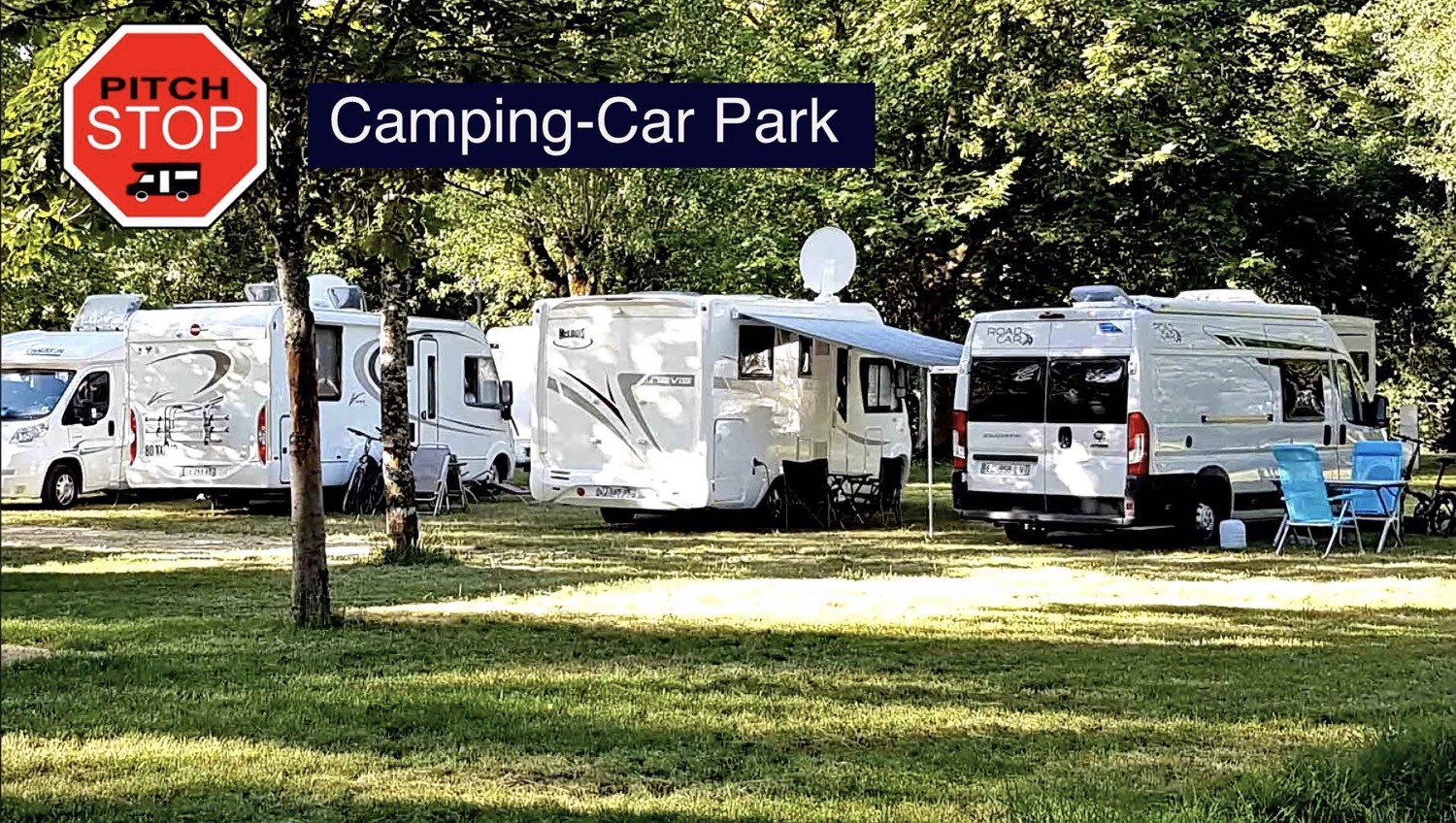
For those of you wary of conventional aires may be happier on these sites.
These are commercially operated aires, where the company has taken over the operation of an existing municipal aire or part of a campsite from the town Mayor. These aires are available all year, you get a pitch in a secure area, electricity and the usual ‘aire’ services (but not full campsite facilities) for circa 13€ for 24 hours and use of the services (fill and empty) for 20min during that time. You can pre-book a pitch if you buy a subscription, you can stay as long as you wish, and continue to pay. It is necessary to buy a card (available at all these aires) for 4€ and pre-load it with funds, starting with a minimum of 10€. The card can be loaded at an aire or online. See the aires operated by this company below.